



For added peace of mind, Beko large appliances are eligible for our 10 Year Beko Parts Guarantee
Read More
94% of consumers
recommend Beko

We are proudly recommended by 94% of our customers on Feefo, an independent reviews platform with verified feedback.
Dishwashers With Cutlery Tray
Lower basket durability tested with 16kg over 100,000 cycles
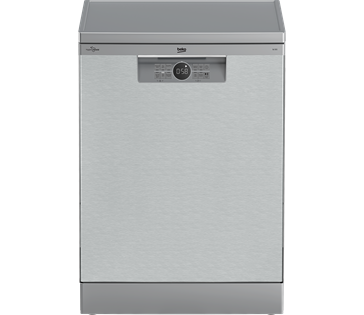
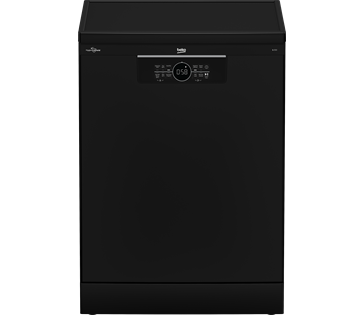
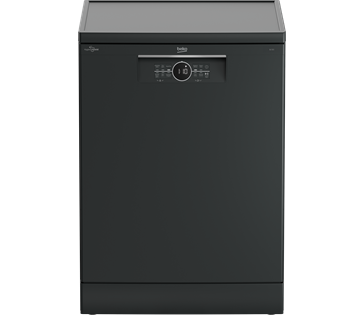
Our dishwashers feature a removable sliding cutlery basket, with select models offering an extra upper cutlery tray for added flexibility. Built for everyday reliability and backed by our 10 Year Beko Parts Guarantee, they perform wash after wash. Explore our full-size, integrated, and slimline dishwashers in black or white, or see our buying guide.














Frequently Asked Questions Dishwashers With Cutlery Tray
What is a cutlery tray in a dishwasher?
A dishwasher's cutlery tray is an extra, shallow rack positioned at the top of the appliance, designed to hold knives, forks and spoons laid out neatly and securely.
It can also replace the lower cutlery basket, freeing up more room at the bottom of the dishwasher for larger items like plates, pots and pans - all while still delivering a thorough clean.
What are the advantages of a cutlery tray in a dishwasher?
A cutlery tray helps deliver a more thorough clean by keeping knives, forks and spoons neatly separated. This prevents items from nesting together, which can stop water and detergent from reaching every surface.
Because the cutlery tray sits at the top of the dishwasher, it also removes the need for a cutlery basket in the lower rack. This frees up valuable space below, making it easier to load larger items such as pots, pans and serving dishes.
How do I stop cutlery tarnishing in the dishwasher?
To help prevent tarnishing, rusting or pitting on your cutlery, follow these simple steps:
- Remove food residue before loading - Scrape off any leftover food before placing cutlery in the dishwasher. There's no need to pre-wash, as your dishwasher and detergent are designed to handle the cleaning.
- Avoid loading damaged or rusty items - Do not put cutlery that is already rusty or pitted into the dishwasher, as this can cause corrosion to spread to other utensils.
- Be careful with dishwasher salt - When refilling dishwasher salt, make sure it doesn't spill onto cutlery or other items. Salt residue can cause pitting or surface damage if it comes into direct contact with metal.
How should I place cutlery in a dishwasher tray?
For safe and effective cleaning, place knives with the blade pointing down to avoid injury and reduce contact with bacteria. Mix forks and spoons in an alternating pattern to prevent nesting and allow water to circulate around each item for a more effective clean.